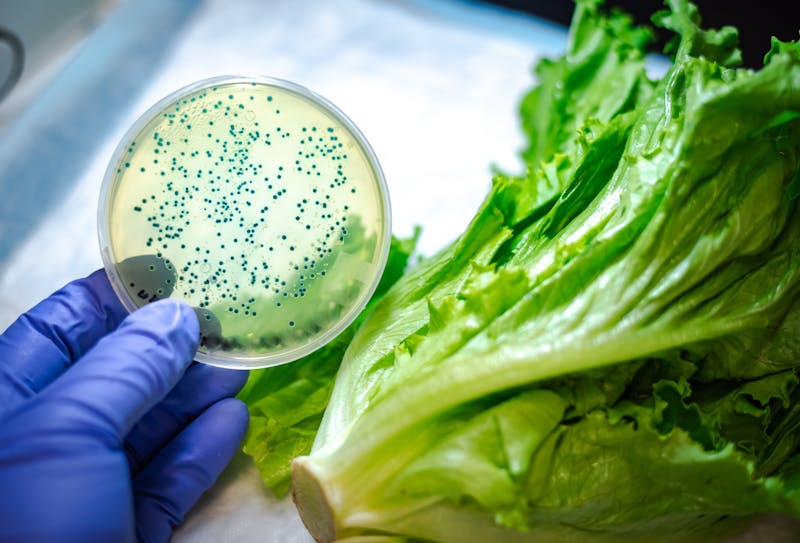
Every food safety investigation begins with facts—not assumptions. The product. The packaging. The lot number. The medical records. The timeline. Individually, each tells part of the story. Together, they often reveal the truth.
Unfortunately, many of those facts disappear within hours because consumers don’t realize how important they are. By the time someone suspects a food product caused an illness or injury, the evidence may have been thrown away, replaced, or forgotten. That makes it harder to determine what happened, whether the product failed to meet applicable safety standards, and whether others may be at risk.
Food-related injuries can result from bacterial contamination, undeclared allergens, foreign materials, inaccurate nutrition labeling, manufacturing defects, improper storage, or other preventable failures. Regardless of the cause, the first hours after an illness or injury are critically important.
If you believe a food product caused harm, take these five steps:
First, seek medical attention. Your health comes first. Tell your healthcare providers exactly what you consumed, when you consumed it, and when your symptoms began. Accurate medical records document the onset and progression of your symptoms and often become one of the most important pieces of evidence in determining what caused an illness or injury.
Second, preserve the product and its packaging. Resist the urge to throw the product away. Keep the remaining product, its original packaging, lot number, expiration date, and receipt, if available. Photograph the product, the packaging, and anything unusual you observe. If appropriate, store the remaining product in a way that prevents further contamination or spoilage. The product and its packaging may allow investigators to identify the manufacturing lot, review labeling and ingredient information, and, when appropriate, perform testing to determine whether the product contributed to the injury.
Third, document what happened. If others consumed the same product, note who ate it and whether anyone experienced similar symptoms. Create a timeline while events are still fresh. Record when the product was purchased, when it was consumed, when symptoms began, and when you sought medical treatment. Memories fade quickly. A well-documented timeline often helps investigators connect the product, the symptoms, and the sequence of events.
Fourth, report the incident. Notify your state or local health department or the U.S. Food and Drug Administration. Consumer reports often help public health officials identify broader safety concerns, detect patterns involving other consumers, and, in some cases, prevent additional injuries.
Fifth, don’t give up the evidence too soon. Manufacturers and sellers often offer refunds or replacement products after receiving a consumer complaint. While that may seem like the natural next step, avoid sending the product back until you have thoroughly documented it and preserved the evidence. If the injury is serious, consider seeking legal advice before surrendering the only remaining sample. Once the evidence is gone, opportunities for additional testing or independent analysis may be lost.
When food causes harm, facts matter. Understanding what happened is not simply about assigning responsibility for a single injury. It is about identifying failures, improving transparency, and helping prevent the next family from experiencing the same harm.
At O'Neill Friedman, we believe accountability begins with facts. Whether investigating a food safety incident, a catastrophic injury, or a complex product liability claim, we believe careful investigation is the foundation of meaningful answers—and safer products.